
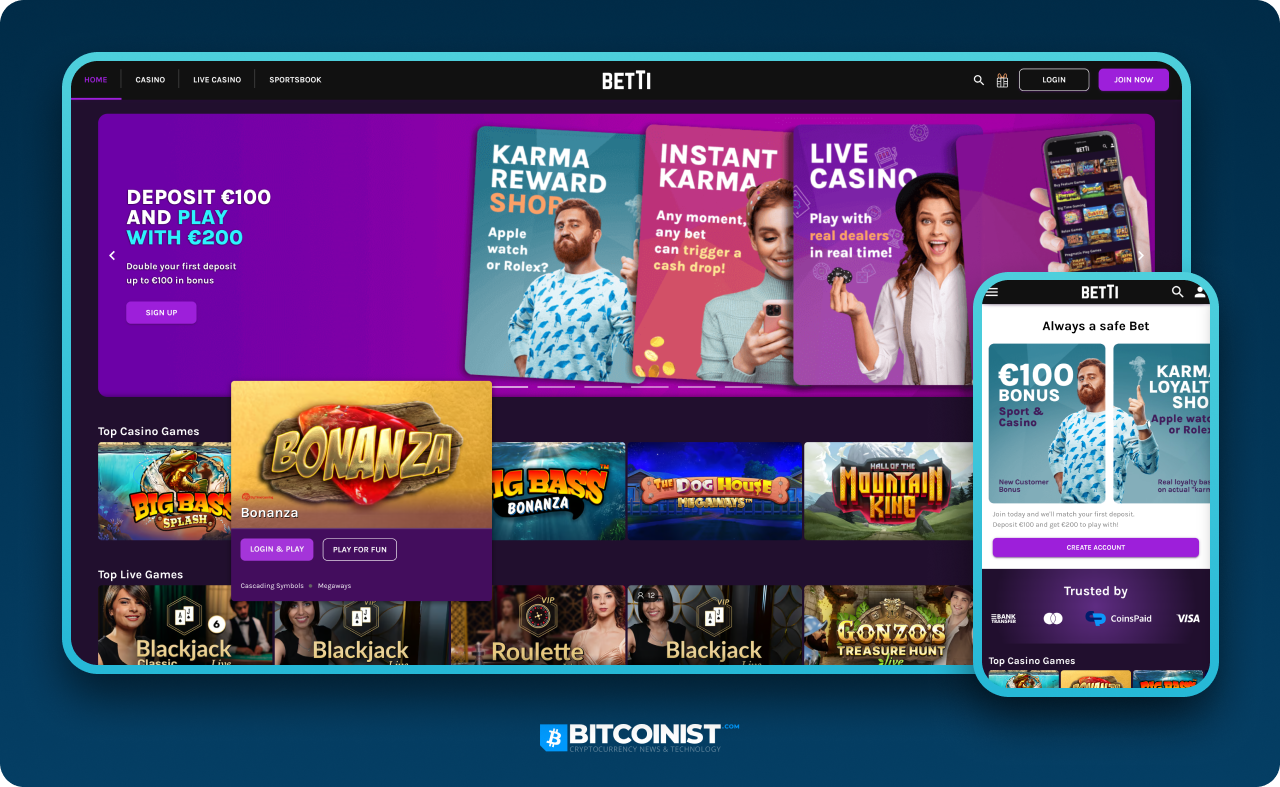
For many of us playing online in the UK, the fun of a casino is always overshadowed by one issue: how much are we spending? Deciding on a budget is easy. Keeping to it when you’re in the middle of a game is the hard part. That was my exact problem. So, I decided to run a personal test. Over three months, I used every budgeting and responsible gambling feature Betista Casino offers. I wanted to see if tools like deposit limits, loss limits, and session reminders could actually help me manage my money, without destroying the fun. What you’ll read here is my own experience. I tracked the numbers, sure, but also how it felt to use these controls while playing everything Betista has. This isn’t a theory. It’s what happened when I, a regular UK player, decided to put the tools to the test.
In what ways Betista’s Tools Compare to Wider UK Market Standards
In the UK’s regulated market, Betista’s tools comply with the Gambling Commission’s rules, but I found their setup to be better than just the basics. Placing the tools straight in the main account interface, where you won’t overlook them, keeps them accessible. Providing deposit, loss, and wagering limits together gives you more precise control than some other sites, which could only provide you a basic deposit cap. The session reminder is also more adjustable than the mandatory time-out warnings some operators employ. Compared to GamStop, which is a full self-exclusion from all licensed sites for at least six months, Betista’s in-house tools are for careful management, not total block. For me, having the ability to layer multiple limits built a safety net that felt both comprehensive and personal. It looks like Betista has created a system that does more than just check a regulatory box. It offers something genuinely beneficial.
Establishing a Individual Budget Approach

I created my strategy from my own history. I examined what I’d used over the last three months, determined the typical, and then reduced it by 25% to create my new imposed limits. That provided me a monthly deposit cap of £150, a weekly loss cap of £75, and a daily session notification for 60 minutes. I used a blend of features on deliberately. The deposit limit was my main economic wall. The loss maximum was a backup to halt me pursuing losses when I was distressed. The time notification was there to interrupt my concentration. It took me about two minutes to configure all this up in my Betista profile. The mental effect was sudden. Pressing ‘confirm’ felt final. It offered me a structure. That unclear thought, «I should probably stop soon,» was eliminated. Now there was a genuine regulation. It changed how I saw the casino before I even placed a wager. The platform wasn’t just a location to play anymore; it was aiding me adhere to my own lines.
Month Number Two: Creating a New Rhythm
By the second month, I was getting used to a new pattern. I began organizing my sessions around the boundaries, instead of seeing them as walls I’d hit. Understanding my monthly deposit was set made me more thoughtful about when to gamble and how much to allocate each week. The session reminder changed. It went from being a nuisance to a helpful nudge. I’d often employ it as a signal to stand up, make a hot drink, and look at how the session was going with a fresh head. The loss limit, which I had not used in month one, was activated in the following week. I had a rough patch on live roulette. The system locked me from placing more bets once I crossed the £75 weekly net loss threshold. This was the most impactful moment of the whole experiment. It physically stopped me from chasing my losses, a habit that had always set me back the most money. That night didn’t end an empty wallet and remorse. It finished because a limit I’d defined when I was calm said it was done. That action showed me the feature’s real benefit. It wasn’t just about managing money; it was a guardrail against my own bad urges.
Initial Month: Adjustment and Early Resistance
The first month was focused on getting used to the fresh regulations, and occasionally pushing back. The playtime alert appeared the frequently. That warning after an hour seemed like an interruption, especially if I was immersed in a slot tournament or a blackjack strategy. But that mandatory pause offered me a moment to pause, which I didn’t have before. It made me choose: do I log off now, or do I knowingly continue playing? I encountered the deposit limit partway through the month after a series of losses at the cards. I tried to deposit past my £150 monthly cap. The system said no. My initial response was frustration. But that soon passed, taken over by something like relief. The limit had fulfilled its primary purpose. It stopped a significant, rash decision I would have taken when I wasn’t seeing straight. When the month ended, my deposits were precisely £150. That had not occurred in over a year.
Checking out Betista Casino’s Suite of Money Management Features
Betista’s player protection tools are in your account settings https://betistacasino.eu/. They offer you a few reliable options. The most fundamental are the deposit limits. You can set a firm ceiling on how much you add each day, week, or month. Once you set it, you can’t just adjust it. There’s a waiting period, which is a thoughtful design to prevent you modifying your mind mid-session. The loss limit stood out. It lets you limit your net losses over those same time periods. That’s a distinct kind of safety net versus just blocking deposits. The wagering limit, which governs how much total money you can wager in a period, is another layer for people who game a lot. Then there’s the session reminder. It’s simple: a clear pop-up alert after a set amount of continuous play. Adjusting these was easy. You have to choose a timeframe and a number for each one, which encourages you think it through before you even begin playing.

Measurable Financial Results Over the 90-Day Period
The data is clear, and they demonstrate how well the tools worked. Over the 90-day trial, my total deposits were £450. That’s a strict £150 each month. Compared to the period before I used controls, where I spent about £640, that’s a drop of roughly 30%. But the total spend isn’t the complete picture. The volatility was the main shift. Before, my monthly deposits fluctuated wildly, from £85 one month to £280 the next. It was erratic and impulsive. During the experiment, every single month was a steady £150. I followed the plan exactly. My net losses also became more predictable. The loss limit meant no single week could turn into a economic meltdown. The money going out was more even and stable. I still had losing sessions, admittedly. But the total loss over the three months was capped. It matched what I’d budgeted for. For anyone in the UK trying to manage their entertainment money, that stability is the most valuable result you can get.
Establishing the Context: My Gambling Habits Before Using Controls
Before this began, your budgeting was a mess. I relied on willpower, which was inconsistent. I’d tell myself I’d only spend maybe £100 in a month. But that notion never lasted for long. A close win or a tough loss from yesterday would drive me to make another deposit without thinking. There existed nothing to hold me back. This never got me into serious trouble, but I had more than a few months where my entertainment spending was way over what I’d intended. It interfered with my other plans. The emotional rollercoaster was recognizable too. A promising start could turn into real frustration after a few losses, right when I was least likely to think straight. This was my routine. It’s probably typical for a lot of players here. Good intentions get lost because it’s so easy to deposit more. You just click a few times and it’s done.
The Mental Effects of Enforced Boundaries
The cognitive transformations were more significant than any spreadsheet. The key change was this: I rarely felt remorse after a session anymore. That used to be a typical feeling after a extended or costly night. Now, even after a loss, I recognized the session ended because of a rule I selected, not because my bankroll or my energy ran out. That offered me a sense of mastery. It severed the link between gambling and experiencing guilt afterwards. The persistent background concern of «how much have I spent?» vanished. I had faith in the system. The data in my Betista dashboard were the definitive answer, so I could avoid estimate or get a nasty shock from my bank statement. That cognitive freedom let me truly immerse myself in the games, with their strategy and their entertainment. The whole journey changed. It transitioned from a likely stressful thing to a genuine leisure activity, with a defined start and conclusion that I decided, not my emotions or a run of unfortunate outcomes.
Drawbacks and Realistic Aspects of the Tools
Let’s be clear, these features aren’t a magic fix. They have restrictions. They only operate if you set practical limits when you’re level-headed and rational. If someone intends to bypass them, they could just set the limits ridiculously high, rendering the functions ineffective. The features also only function on Betista. They don’t track what you spend at other venues or on other types of gambling. You still need your own restraint for that. Also, the cooling-off period for increasing boundaries is a good thing, but it could irritate someone whose finances have genuinely improved and who wants to responsibly expand their recreational budget. Ultimately, these are just managerial features. They can’t resolve deeper concerns with gambling habits. For that, professional help from agencies like GamCare or the wider ban scheme GamStop is vital. But for most people who game for enjoyment, these functions function like a good set of controls. They add resistance at the very time your own resolve might be slipping.
Month Three: Combined Self-Control and Unexpected Advantages
In the third month, the budget tools just blended into the background of my routine. The initial friction was totally gone. I played comfortably inside the framework, and that actually made me feel more free. I wasn’t anxious about overspending anymore, so I could just concentrate on whether I was having fun. An unexpected bonus emerged: I started selecting games differently. With a set deposit amount and a protected loss limit, I got selective. I hunted for games with better return-to-player (RTP) percentages. I allocated more time on strategic table games instead of blowing cash on high-volatility slots wishing for a quick win. It felt more sustainable, more like a game of skill. I also recognized the financial ceiling didn’t mean less enjoyment. My total playing hours didn’t fall much. I just ensured the money last longer by pondering about my bets. The session reminders ensured play was a broken-up hobby, not something that consumed whole evenings.
Long-Term Sustainability of The Approach
The key issue is, can you maintain this? After the test, I feel you can. A several things make it stick. To begin with, it’s developed into a habit. Reviewing my remaining deposit limit prior to playing is now as standard as reviewing my bank balance. Concluding each month without having going over my budget is its own encouraging reinforcement. Second, the tools helped me become more aware. I instinctively prefer games and bets that provide more extended, more entertaining play. It appears more like a real hobby now. Third, the psychological relief is a significant motivator to persist. Removing the guilt and anxiety is such an enhancement in my quality of life. It readily surpasses the rare frustration of a declined deposit. For UK players who wish to appreciate online casinos without the financial worry, my test indicates something. Using the built-in budgeting tools proactively can establish a stable, satisfying, and financially sensible way to play for the long term.